Financial Literacy Matters Now More Than Ever
Follow these steps toward achieving your financial goals despite rising costs and unexpected economic challenges.
Updated:
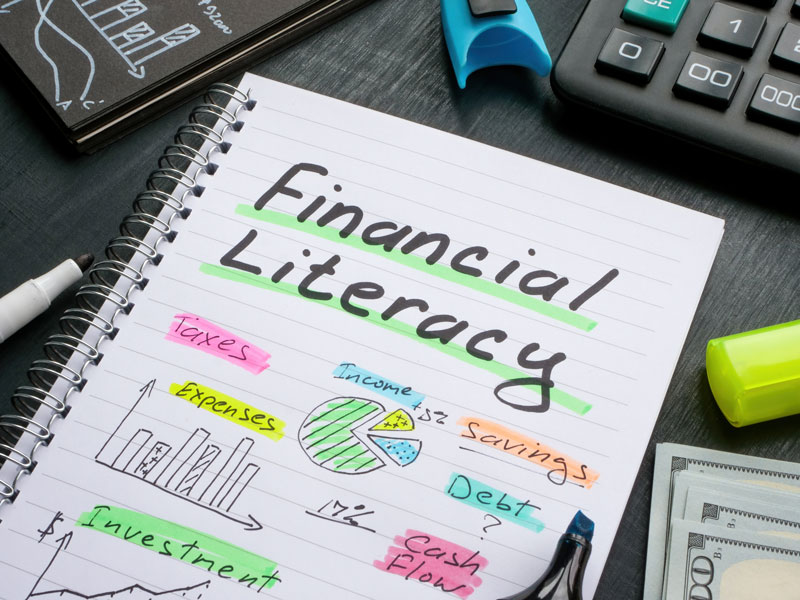
In today’s marketplace, economic conditions seem to be ever-changing. The more knowledge and understanding you have about your finances, the more advantages you will have in making smart financial decisions, controlling your spending, and achieving your goals despite unexpected challenges.
What Is Financial Literacy?
The National Financial Educators Council defines financial literacy as understanding money. It is an important component of financial wellness—having the skills and knowledge to confidently work toward fulfilling financial goals. In practice, this means taking advantage of opportunities to achieve stability and security. Financial literacy can help you better evaluate risk, compare products, plan goals, and ultimately build resilience.
What Is Financial Resilience?
Finseca, a community of financial security professionals, defines financial resilience as the ability of an individual or family to withstand and recover from unexpected surprises. Financial literacy builds resilience by empowering you with the knowledge to budget, save, invest, manage debt, and make informed decisions following financial shocks. It’s not a luxury reserved for the wealthy; it is a fundamental necessity for everyone at every income level.
Unfortunately, the World Economic Forum reports that financial resilience has not kept pace with economic growth, with only 56 percent of adults surveyed saying they could reliably access extra money within 30 days to cope with financial shocks, such as a job loss, illness, or an accident. Financial resilience is especially important today because it can help you and your family deal with economic downturns, rising costs, and other unexpected financial stressors.
How to Get Started
Getting started is easy. There are many books and videos that teach financial literacy. But you can also start by building healthy habits using these practical steps:
- Start budgeting. A budget gives you control, not restrictions. It will help you understand your earnings, cut expenses, manage debt, save money, and achieve your goals. To get started, check out our Practical Budgeting Webinar.
- Grow your savings. Financial resilience starts with a safety net. Aim for small, realistic goals: save $100 first, then $500, etc. For long-term planning, build three to six months of an emergency fund. Even modest savings can prevent financial crises.
- Build and protect your credit. Your credit is your borrowing power. Get your free credit report and check for discrepancies and signs of identity theft. Consider putting a credit freeze in place to help protect against unauthorized use of your credit. Learn more about how you can build, maintain, and improve your credit with our Building, Maintaining, and Improving Your Credit webinar.
- Protect yourself from fraud and scams. Anyone, no matter their level of financial literacy, can become a victim of a scam or fraud. Check out our article on the Six Layers of Protection from Scams and Fraud.
Additional Resources
Do you have questions about a particular financial product or service? Contact us at [email protected] or call (866) 275-2677.
To further build your financial literacy, the following are some free educational resources: