Know your debt collection rights
Fed up with notices from debt collectors? Learn your rights and get help.
Updated:
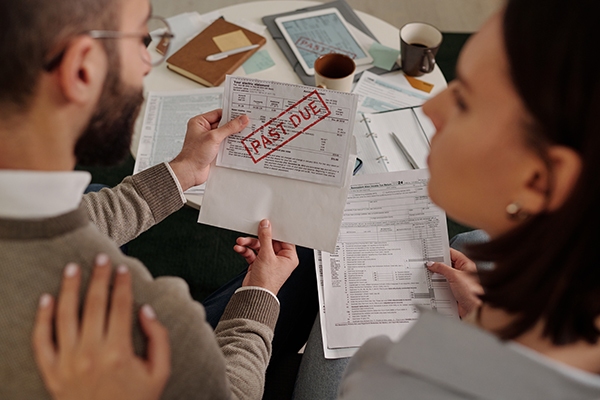
Debt collection in California
In California, consumers are protected against abusive debt collection practices by several state laws. The Debt Collection Licensing Act (DCLA) authorizes the DFPI to oversee collectors operating in California. The law requires them to be licensed and to adhere to specific regulations. The California Consumer Financial Protection Law (CCFPL) gives DFPI the authority to take action against individuals and companies who use unlawful, deceptive, or abusive practices. The Rosenthal Fair Debt Collection Practices Act (Rosenthal Act) provides additional rights to California consumers beyond the federal Fair Debt Collections Act (FDCPA).
Here are some key consumer protections to keep in mind:
- Debt verification: Under the DCLA, you have the right to information about your loan, including the name of the creditor and the amount you owe. Before making any payment, independently verify that the debt collector is legitimate and confirm that you owe the debt.
- Dispute process: The DCLA also mandates that collectors provide a clear process for consumers to dispute debts. If you believe a debt is incorrect or you do not owe it, you have the right to dispute it. The collector must stop all debt collection activities until the debt is verified in writing.
- Abusive practices: Under the Rosenthal Act and the CCFPL, collectors cannot use or threaten to use violence, falsely threaten debtors that the failure to pay a debt will result in a criminal accusation, or use profanities or obscene language. Additionally, collectors cannot call or communicate with a consumer in a way that would be considered harassment. You have the right to send a “no-contact” letter. Once you send this, a debt collector must stop asking you for payment.
Know your rights
Below are some guidelines and resources to help protect yourself from predatory debt collection practices:
- Paying off old (time-barred) debt: Once a debt has passed its statute of limitations (typically 3-6 years), the California Attorney General’s Office warns that collectors may still try to collect on the debt but may no longer be able to sue the debtor. Borrowing new money to pay off an old debt may not be a good idea, especially if you are past the statute of limitations. If you were behind on your loan or credit card debts for a long time, making new payments can restart the time limit.
- Wage and asset protection: There are laws that protect your wages, government benefits, bank accounts, home, and car from debt collection. If you are not sure if your income and assets are protected, seek legal advice from a firm that specializes in debt collection assistance.
- Credit scores: If you have been denied credit or an apartment rental because of your credit history, you can request an “adverse action” notice explaining why you were denied. If an unpaid debt is falsely reported, correct this immediately.
- Notice of lawsuit: If you are served with a lawsuit, the California Attorney General’s Office advises that you respond promptly. Contact the attorneys on the complaint to ask for an extension to respond. If approved, this may give you time to verify the debt. Do not admit to anything if you do not recognize who is suing you or the debt involved. For example, the case may be against someone with the same name who is not you. The Attorney General’s Office says you should seek advice from a licensed attorney or legal aid organization that specializes in debt collection assistance.
Beware of debt collection scams
If you decide to use debt settlement or consolidation services to manage your debt, take your time to make sure you understand all terms and conditions. Consult with the necessary legal and financial professionals before signing a contract or making any payments. According to Bankrate.com, here are some ways to spot debt collection scams:
- Initial contact: Unsolicited contact by a debt settlement company may be a scam. Typically, you will be mailed a notification from your creditor before any debt collection activity begins. Never give financial or personal information to anyone without verifying their credentials.
- Nontransparency: Be wary of companies that refuse to provide information or provide inaccurate information about the debt. Contract documents should also provide a clear explanation of how the company will settle your debt as well as to whom or where your payments will go.
- Insufficient contact information: Make sure the company provides a physical address and phone number where you can easily reach them. Independently verify that information.
- Payment method: If a debt collector insists that you use an unconventional payment method like money transfers, cryptocurrency, or gift cards, this is an almost certain indicator of fraud.
Additional resources
- NMLS Consumer Access: Look up debt collectors to determine if they are licensed to conduct business in California.
- If you have debt collection questions, reach out to us at [email protected].
- Debt Collections: What consumers need to know
- Debt Collection – Know Your Rights
- If you have experienced unlawful, unfair, deceptive, or abusive debt collection practices or believe you have been the victim of a scam, report it to the DFPI.